The corn thresher is mainly composed of a screen cover (ie, drum), a rotor, a feeding device, a frame, and other 5 parts. During work, corn is fed from the feed port, the seeds are separated by the screen hole, and the corn cob is The tail of the machine is discharged, and the corn silk and the skin are discharged from the tuyere. The use of corn thresher must be prepared in advance to avoid accidents.
Working principle of corn thresher
1. Components
The corn thresher is mainly composed of a screen cover (ie, drum), a rotor, a feeding device, a frame, and other 5 parts. The screen and the upper cover rotor form a threshing chamber. The rotor is the main working component. The threshing is done in the threshing room.
2. Working principle
The corn is fed from the feed inlet, the corn is impacted in the rotor and drum rotating at high speed, the grains are separated by the screen hole, the corn cob is discharged from the tail of the machine, and the corn silk and the skin are discharged from the tuyere. The feed inlet is located at the upper part of the upper cover of the machine. The corn cob enters the threshing chamber through the feed inlet. In the threshing chamber, the corn kernels fall off due to the impact of the rotor rotating at high speed, and are separated through the screen holes.
3. Matters needing attention
Before working on the thresher, it is necessary to educate the participants on the safe operation, carefully check whether the rotating parts are flexible, and whether the adjustment mechanism is normal. The gearing ratio is required to avoid excessive thresher speed and severe vibration, which may cause personal injury.
4. Maintenance instructions
After using the thresher, remove the dust and other debris attached to the machine in time, remove the loose screws, transmission belts, conveyor belts and chain belts. The oil stains on the transmission belts need to be cleaned with soapy water to dry and hang separately On the wall to prevent corrosion and aging.
Thursday, April 23, 2020

Taizy Large Corn Thresher
Corn thresher, large-scale corn thresher. Main features of 12N automatic feeding corn thresher:
1. The threshing part of the machine adopts rubber dragon drum threshing to make the machine have high output, the threshing clean corn cob is not broken, and the thresher is easier to pull.
2. The machine adopts centrifugal fan to suck away dust and other impurities in corn kernels
Thresher product features:
Automatic feeding corn threshing machine-novel structure, compact, strong and durable, easy to use and adjust, small footprint and high output, saving labor and time, can complete threshing, air separation, screening, and other retest operations.
The machine has a low crushing rate, high clean rate, and high efficiency. It is well received by users. There are two types of the single barrel and double barrel. The supporting products are climbing machine (feeding machine), conveyor, and bagging machine (long dragon).
The fully automatic feeding corn thresher provides automatic feeding, saving time and effort, as long as the corn cobs that have been initially dried are accumulated in the field, driven by the power equipment, the feeding is automatically completed, and manual loading is omitted. The trouble, and greatly improved work efficiency.
Double cleaning, high removal rate, low crushing rate, double cleaning includes secondary screening and suction cleaning, the screen device effectively separates the corn kernel from the broken corn cob and removes it through the suction device Light particles
Adapt to a variety of operating sites, with diesel tractors with more than 20 horsepower
The clutch device is more convenient to use. The newly added clutch device disconnects the thresher from the power equipment when not in operation, which not only reduces the fuel consumption of the power equipment but also facilitates shutdown and maintenance.
High efficiency, high removal rate, low crushing rate Double drum design, higher efficiency.
The main structure of automatic feeding corn thresher:
Collecting device: collect the initially dried corn on the cob
Transfer device: transfer the collected corn cob to the separation device
Thresher: Separating corn kernels and corn cobs
Separation and cleaning device: The secondary cleaning device of the mesh screen separates the corn kernels and the corn cob, and the air suction device removes the light particles.
Auxiliary devices: including clutch devices, transmission devices, safety devices, etc.
1. The threshing part of the machine adopts rubber dragon drum threshing to make the machine have high output, the threshing clean corn cob is not broken, and the thresher is easier to pull.
2. The machine adopts centrifugal fan to suck away dust and other impurities in corn kernels
Thresher product features:
Automatic feeding corn threshing machine-novel structure, compact, strong and durable, easy to use and adjust, small footprint and high output, saving labor and time, can complete threshing, air separation, screening, and other retest operations.
The machine has a low crushing rate, high clean rate, and high efficiency. It is well received by users. There are two types of the single barrel and double barrel. The supporting products are climbing machine (feeding machine), conveyor, and bagging machine (long dragon).
The fully automatic feeding corn thresher provides automatic feeding, saving time and effort, as long as the corn cobs that have been initially dried are accumulated in the field, driven by the power equipment, the feeding is automatically completed, and manual loading is omitted. The trouble, and greatly improved work efficiency.
Double cleaning, high removal rate, low crushing rate, double cleaning includes secondary screening and suction cleaning, the screen device effectively separates the corn kernel from the broken corn cob and removes it through the suction device Light particles
Adapt to a variety of operating sites, with diesel tractors with more than 20 horsepower
The clutch device is more convenient to use. The newly added clutch device disconnects the thresher from the power equipment when not in operation, which not only reduces the fuel consumption of the power equipment but also facilitates shutdown and maintenance.
High efficiency, high removal rate, low crushing rate Double drum design, higher efficiency.
The main structure of automatic feeding corn thresher:
Collecting device: collect the initially dried corn on the cob
Transfer device: transfer the collected corn cob to the separation device
Thresher: Separating corn kernels and corn cobs
Separation and cleaning device: The secondary cleaning device of the mesh screen separates the corn kernels and the corn cob, and the air suction device removes the light particles.
Auxiliary devices: including clutch devices, transmission devices, safety devices, etc.
Master the correct use and maintenance of corn thresher
With the increasing development of agricultural mechanization, many countries and regions have achieved mechanization of corn harvesting. In particular, corn threshers are widely used in corn production operations because of their many advantages such as easy installation, high production efficiency, and high safety performance. Mastering the correct use and maintenance of corn threshers and troubleshooting methods has important practical significance.
working principle. After the corn kernels are mature, the link with the corn cob will gradually become loose. After the blades on the drive shaft of the thresher rotate and collide at high speed, they are very easy to fall off. In addition, the spiral structure of the blades can make the corn cob smoothly discharged, and the screen can The corn kernels are cleanly filtered, fully realizing the efficient and energy-saving performance of the corn thresher.
Safe use and maintenance
Prepare before use. One is to conduct a security check. Flatten the four feet of the corn thresher to ensure that the equipment is stable and strong and reduce vibration. At the same time, according to the instructions, check whether the rotating and swinging parts are flexible and without collision, check whether the adjustment mechanism is normal and whether the safety facilities are complete and effective At the same time, each lubricating part should be filled with a sufficient amount of lubricating oil. The second is to conduct a trial operation. After turning on the power, idle for 1-2 minutes, check whether the machine is operating normally, check for jams, collisions, and other abnormal phenomena. Only after everything is normal can the material be fed. The third is to choose the right place to work. The threshing machine operation site should choose a flat and open place, and pay attention to the natural wind direction. The exit should be consistent with the natural wind direction. Reliable fireproof equipment should be provided in the operation. The fourth is to do a good job of safety protection. The safety protection device installed on the thresher is designed to protect the personal safety of the operator and its related personnel, so it cannot be disassembled during operation or work. If it has been disassembled during maintenance, the machine must be reinstalled before operation or work. In addition, when the machine is working, it is necessary to operate in accordance with the relevant safety signs on the machine. The operators must wear compact clothes to prevent accidents caused by clothes or hair getting caught in the rollers or transmission belts.
Use and adjust. First, the feeding amount should be appropriate. If the feeding is intermittent, it will affect production efficiency. Too much feeding will cause overload operation, and even lead to motor damage and equipment damage. The second is to regulate the roller adjustment. Generally speaking, the drum speed is high, the removal rate is high, the crushing rate is high, the rotation speed is low, the removal rate is low, and the crushing rate is low; a High crushing rate. But in the specific drum speed and gap adjustment, we must also judge the dry and wet conditions of corn, adjust the speed and gap according to the moisture content of corn. The third is not a continuous operation. Normally work for about 8 hours to shut down to check, adjust, and lubricate to prevent friction, serious wear, and tear, heat generation, or deformation. The fourth is to stop decisively when a fault occurs. It is strictly forbidden to take off the belt when the machine is running or contact any objects with the transmission parts. The transmission ratio between the supporting power and the thresher must meet the requirements. If the thresher fails during the operation, it should be decisively shut down before maintenance and adjustment.
Maintenance after use of dust-free corn thresher. After the operation of the thresher, the maintenance can be carried out according to the following procedures: First, the dust and other debris attached to the machine should be removed in time, loose screws should be tightened and removed, and the transmission belt, conveyor belt, and chain belt should be removed. The oil stain on the transmission belt should be cleaned with soapy water, dried, and hung on the wall separately to prevent corrosion and aging. Secondly, check whether the threshing board cover is firm and replace the damaged one. Welding and repairing are required for de-soldering and cracks. When installing the grain bar, the small head (inclined surface) should be oriented toward the feeding direction, and the grain direction of the two adjacent grain bars should be opposite to prevent the grain from moving to the end of the drum and causing the uneven load. Finally, add a sufficient amount of lubricating oil to each oil injection point and lubrication point. At the same time, place the machine in a dry warehouse or factory shed. If possible, it is best to use sleepers to cushion and cover with oil cloth to prevent the machine from moisture and exposure. Or rain.
working principle. After the corn kernels are mature, the link with the corn cob will gradually become loose. After the blades on the drive shaft of the thresher rotate and collide at high speed, they are very easy to fall off. In addition, the spiral structure of the blades can make the corn cob smoothly discharged, and the screen can The corn kernels are cleanly filtered, fully realizing the efficient and energy-saving performance of the corn thresher.
Safe use and maintenance
Prepare before use. One is to conduct a security check. Flatten the four feet of the corn thresher to ensure that the equipment is stable and strong and reduce vibration. At the same time, according to the instructions, check whether the rotating and swinging parts are flexible and without collision, check whether the adjustment mechanism is normal and whether the safety facilities are complete and effective At the same time, each lubricating part should be filled with a sufficient amount of lubricating oil. The second is to conduct a trial operation. After turning on the power, idle for 1-2 minutes, check whether the machine is operating normally, check for jams, collisions, and other abnormal phenomena. Only after everything is normal can the material be fed. The third is to choose the right place to work. The threshing machine operation site should choose a flat and open place, and pay attention to the natural wind direction. The exit should be consistent with the natural wind direction. Reliable fireproof equipment should be provided in the operation. The fourth is to do a good job of safety protection. The safety protection device installed on the thresher is designed to protect the personal safety of the operator and its related personnel, so it cannot be disassembled during operation or work. If it has been disassembled during maintenance, the machine must be reinstalled before operation or work. In addition, when the machine is working, it is necessary to operate in accordance with the relevant safety signs on the machine. The operators must wear compact clothes to prevent accidents caused by clothes or hair getting caught in the rollers or transmission belts.
Use and adjust. First, the feeding amount should be appropriate. If the feeding is intermittent, it will affect production efficiency. Too much feeding will cause overload operation, and even lead to motor damage and equipment damage. The second is to regulate the roller adjustment. Generally speaking, the drum speed is high, the removal rate is high, the crushing rate is high, the rotation speed is low, the removal rate is low, and the crushing rate is low; a High crushing rate. But in the specific drum speed and gap adjustment, we must also judge the dry and wet conditions of corn, adjust the speed and gap according to the moisture content of corn. The third is not a continuous operation. Normally work for about 8 hours to shut down to check, adjust, and lubricate to prevent friction, serious wear, and tear, heat generation, or deformation. The fourth is to stop decisively when a fault occurs. It is strictly forbidden to take off the belt when the machine is running or contact any objects with the transmission parts. The transmission ratio between the supporting power and the thresher must meet the requirements. If the thresher fails during the operation, it should be decisively shut down before maintenance and adjustment.
Maintenance after use of dust-free corn thresher. After the operation of the thresher, the maintenance can be carried out according to the following procedures: First, the dust and other debris attached to the machine should be removed in time, loose screws should be tightened and removed, and the transmission belt, conveyor belt, and chain belt should be removed. The oil stain on the transmission belt should be cleaned with soapy water, dried, and hung on the wall separately to prevent corrosion and aging. Secondly, check whether the threshing board cover is firm and replace the damaged one. Welding and repairing are required for de-soldering and cracks. When installing the grain bar, the small head (inclined surface) should be oriented toward the feeding direction, and the grain direction of the two adjacent grain bars should be opposite to prevent the grain from moving to the end of the drum and causing the uneven load. Finally, add a sufficient amount of lubricating oil to each oil injection point and lubrication point. At the same time, place the machine in a dry warehouse or factory shed. If possible, it is best to use sleepers to cushion and cover with oil cloth to prevent the machine from moisture and exposure. Or rain.
Friday, April 17, 2020
What can rice mills bring you?
Rice milling is the process of peeling off all the skin layer on the surface of brown rice, while maintaining a certain processing accuracy and keeping the rice grains as complete as possible.
The purpose of rice milling:
The cortical tissue of brown rice contains more crude fiber, which is not easy to digest when eaten directly. At the same time, brown rice has poor water absorption and swelling, and has poor edible quality. Brown rice cooking not only has a long cooking time, but also has a low cooking rate, and has a dark color, poor viscosity, and bad taste. Therefore, the brown rice skin must be removed through the rice milling process in order to improve its cooking and edible quality and increase its commercial value. However, when all the brown rice cortex is removed, these nutrients, such as starch, fat, protein, minerals and vitamins, will be lost when the brown rice cortex is completely removed. At the same time, according to the structural characteristics of brown rice grains, the cortex at the back groove is completely removed, which will inevitably cause the loss of starch and increase the crushing, resulting in a decrease in the rice yield. Therefore, according to market demand, rice milling matters are not only beneficial to the nutrition and health required by the human body, but also can improve the cooking and eating quality of rice and its yield, and realize the scientific and sustainable utilization of rice resources.
Basic requirements for rice milling:
Under the premise of ensuring that the processing accuracy of the finished rice meets the prescribed standards, as far as possible to keep the rice grains intact, reduce broken rice, increase the yield, improve purity, reduce power consumption, cost and ensure safe and stable production.
Rice milling machine is a method of peeling and whitening rice milling by using the mechanical force generated by mechanical equipment, and the mechanical equipment used becomes a rice milling machine. The main working part of the rice mill is the roller. According to different manufacturing materials, rollers are divided into three types: iron bars, sand rollers, and sand iron. According to the installation form of the roller shaft, the rice mill is divided into vertical rice mill and horizontal rice mill. According to the number of rollers, rice mills can be divided into single-roller and double-roller or three-roller combined rice mills.
Rice milling process
The main task of the rice milling section is to mill off most or all of the skin layer on the surface of brown rice to make finished rice that meets the standards. Because rice milling directly processes rice grains, it directly affects the yield and quality of finished rice.
The rice milling section is mainly divided into two parts: rice milling and finished product processing. It goes without saying that whitening brown rice is the most important process in the rice milling section. After the rice is milled, the surface of the rice grains is often sticky with bran powder, broken rice is mixed between the rice grains, and the temperature of the machined rice is high, which is not conducive to storage. In addition, when processing high-quality rice, it is necessary to polish the surface of the rice grains to remove heterogeneous rice grains such as yellow grain rice. So after the brown rice is milled, it must be processed.
Tips-how to choose rice milling equipment
The tasks undertaken by each process of the rice mill are completed by the certain processing equipment. Appropriate selection of equipment should not only directly affect the technological effect, but also affect the economic and technical indicators of the rice mill. When selecting equipment, according to the collected and collated data, try to use advanced equipment with good process effect, simple structure and convenient operation. According to the characteristics of raw grain and the requirements in the technological process, priority is given to standardization, serialization and generalization of equipment. Under the condition of funds permission, some host equipment, especially rice milling and finished product processing equipment, can also be introduced appropriately. When selecting equipment, the material delivery method should also be considered.
When pneumatic conveying is used, the role of multi-purpose air should be considered, so that the role of wind cloud equipment (receiver, unloader) can replace part of the processing equipment, and simplify the parts of some equipment that require air suction to save power and reduce materials. And material consumption. In addition, the selection of equipment should also consider the requirements of equipment layout and operation, in order to facilitate other designs after the completion of the process design, so that the new plant or remodeling plant can achieve safe production and civilized production.
The purpose of rice milling:
The cortical tissue of brown rice contains more crude fiber, which is not easy to digest when eaten directly. At the same time, brown rice has poor water absorption and swelling, and has poor edible quality. Brown rice cooking not only has a long cooking time, but also has a low cooking rate, and has a dark color, poor viscosity, and bad taste. Therefore, the brown rice skin must be removed through the rice milling process in order to improve its cooking and edible quality and increase its commercial value. However, when all the brown rice cortex is removed, these nutrients, such as starch, fat, protein, minerals and vitamins, will be lost when the brown rice cortex is completely removed. At the same time, according to the structural characteristics of brown rice grains, the cortex at the back groove is completely removed, which will inevitably cause the loss of starch and increase the crushing, resulting in a decrease in the rice yield. Therefore, according to market demand, rice milling matters are not only beneficial to the nutrition and health required by the human body, but also can improve the cooking and eating quality of rice and its yield, and realize the scientific and sustainable utilization of rice resources.
Basic requirements for rice milling:
Under the premise of ensuring that the processing accuracy of the finished rice meets the prescribed standards, as far as possible to keep the rice grains intact, reduce broken rice, increase the yield, improve purity, reduce power consumption, cost and ensure safe and stable production.
Rice milling machine is a method of peeling and whitening rice milling by using the mechanical force generated by mechanical equipment, and the mechanical equipment used becomes a rice milling machine. The main working part of the rice mill is the roller. According to different manufacturing materials, rollers are divided into three types: iron bars, sand rollers, and sand iron. According to the installation form of the roller shaft, the rice mill is divided into vertical rice mill and horizontal rice mill. According to the number of rollers, rice mills can be divided into single-roller and double-roller or three-roller combined rice mills.
Rice milling process
The main task of the rice milling section is to mill off most or all of the skin layer on the surface of brown rice to make finished rice that meets the standards. Because rice milling directly processes rice grains, it directly affects the yield and quality of finished rice.
The rice milling section is mainly divided into two parts: rice milling and finished product processing. It goes without saying that whitening brown rice is the most important process in the rice milling section. After the rice is milled, the surface of the rice grains is often sticky with bran powder, broken rice is mixed between the rice grains, and the temperature of the machined rice is high, which is not conducive to storage. In addition, when processing high-quality rice, it is necessary to polish the surface of the rice grains to remove heterogeneous rice grains such as yellow grain rice. So after the brown rice is milled, it must be processed.
Tips-how to choose rice milling equipment
The tasks undertaken by each process of the rice mill are completed by the certain processing equipment. Appropriate selection of equipment should not only directly affect the technological effect, but also affect the economic and technical indicators of the rice mill. When selecting equipment, according to the collected and collated data, try to use advanced equipment with good process effect, simple structure and convenient operation. According to the characteristics of raw grain and the requirements in the technological process, priority is given to standardization, serialization and generalization of equipment. Under the condition of funds permission, some host equipment, especially rice milling and finished product processing equipment, can also be introduced appropriately. When selecting equipment, the material delivery method should also be considered.
When pneumatic conveying is used, the role of multi-purpose air should be considered, so that the role of wind cloud equipment (receiver, unloader) can replace part of the processing equipment, and simplify the parts of some equipment that require air suction to save power and reduce materials. And material consumption. In addition, the selection of equipment should also consider the requirements of equipment layout and operation, in order to facilitate other designs after the completion of the process design, so that the new plant or remodeling plant can achieve safe production and civilized production.
Protecting the rice mill in this way can save you a lot of money
1. Adjustment of rice knife
Adjusting the rice knife is to adjust the gap between the rice knife and the roller. If the gap is large, the pressure in the white milling room is small, and the friction force encountered by the rice in the drum is weak, so the rice cannot be milled, but the rice production rate is high.
2. Adjustment of inlet and outlet blades
When the inlet gate is opened large and the outlet gate is closed, the grains of the whitening chamber increase, and the pressure increases. The beige white is crushed, but the broken rice is much; on the contrary, if the inlet gate is closed and the outlet gate is opened, There is less rice in the white milling room, the pressure drops, and the milled rice is rougher.
3. Specific operation adjustment methods
(1) The adjustment gap between the rice knife and the roller should be moderate. The gap should not be smaller than the lateral diameter of the rice grains; otherwise, the rice grains are easily broken; the gap should not be larger than the longitudinal diameter of the rice grains, otherwise, the rice grains will be rough. Therefore, the gap between the rice knives should be selected between the longitudinal and transverse diameters of the rice grains. Generally, when adjusting the clearance of the rice knife, there should be a slight bevel, that is, the end close to the exit gate is slightly larger so that the milled rice is more indispensable.
(2) The inlet and outlet gate blades should be closely coordinated with each other. Generally, the opening of the imported gate knife can be controlled to 1/2 of the whole opening, and at most no more than 2/3. In the process of rice milling, generally do not remove the imported gate knife, so that the import is fully open because the import gate is all After opening, there is too much grain accumulation, the pressure in the whitening chamber is too high, and the rolling resistance is large. If the exit gate is not properly coordinated, the transmission belt will slip, and even the machine will be stuck or damaged.
The exit knife should be sensitively grasped. During operation, the gap between the meter knife and the opening of the entrance knife can be fixed after being adjusted according to the rules. Generally, as long as the operator uses the right hand to operate the exit knife, use the left palm to terminate under the exit Rice grains, observe whether the rice grains are intact and the beige is white. If there is much-broken rice, a large exit gate can be opened; if the grain is rough, a small exit gate can be closed. In the process of rice milling. The two should be coordinated until the quality of the rice milling reaches the requirements.
4. Protection matters
(1) The rice processed by the rice mill must adhere to a certain degree of dryness, and the general moisture content cannot be greater than 14% -15%. When the moisture content of the rice is too high, the rice grains are broken, which affects the quality of the rice, and the power consumption also increases.
(2) Pay attention to check whether there are nails, stones, and other debris in the rice, to avoid entering the whitening room and causing blockage or damage to the rice sieve.
(3) Check the rice screen, rice knife, roller core, and other mechanical parts before starting to see if the bolts and nuts are tightened.
(4) Roll the roller before starting to check whether there is a jam.
(5) When starting up, work with no load to normal speed first, then dump the rice into the hopper, and pay attention to the working condition of the rice mill at any time.
(6) After working every day, check the rice mill and its supporting facilities once, find the problem and deal with it in time, and ensure that the rice mill is always in a state of absence.
E-mail:allenshuliyguo@gmail.com
Adjusting the rice knife is to adjust the gap between the rice knife and the roller. If the gap is large, the pressure in the white milling room is small, and the friction force encountered by the rice in the drum is weak, so the rice cannot be milled, but the rice production rate is high.
2. Adjustment of inlet and outlet blades
When the inlet gate is opened large and the outlet gate is closed, the grains of the whitening chamber increase, and the pressure increases. The beige white is crushed, but the broken rice is much; on the contrary, if the inlet gate is closed and the outlet gate is opened, There is less rice in the white milling room, the pressure drops, and the milled rice is rougher.
3. Specific operation adjustment methods
(1) The adjustment gap between the rice knife and the roller should be moderate. The gap should not be smaller than the lateral diameter of the rice grains; otherwise, the rice grains are easily broken; the gap should not be larger than the longitudinal diameter of the rice grains, otherwise, the rice grains will be rough. Therefore, the gap between the rice knives should be selected between the longitudinal and transverse diameters of the rice grains. Generally, when adjusting the clearance of the rice knife, there should be a slight bevel, that is, the end close to the exit gate is slightly larger so that the milled rice is more indispensable.
(2) The inlet and outlet gate blades should be closely coordinated with each other. Generally, the opening of the imported gate knife can be controlled to 1/2 of the whole opening, and at most no more than 2/3. In the process of rice milling, generally do not remove the imported gate knife, so that the import is fully open because the import gate is all After opening, there is too much grain accumulation, the pressure in the whitening chamber is too high, and the rolling resistance is large. If the exit gate is not properly coordinated, the transmission belt will slip, and even the machine will be stuck or damaged.
The exit knife should be sensitively grasped. During operation, the gap between the meter knife and the opening of the entrance knife can be fixed after being adjusted according to the rules. Generally, as long as the operator uses the right hand to operate the exit knife, use the left palm to terminate under the exit Rice grains, observe whether the rice grains are intact and the beige is white. If there is much-broken rice, a large exit gate can be opened; if the grain is rough, a small exit gate can be closed. In the process of rice milling. The two should be coordinated until the quality of the rice milling reaches the requirements.
4. Protection matters
(1) The rice processed by the rice mill must adhere to a certain degree of dryness, and the general moisture content cannot be greater than 14% -15%. When the moisture content of the rice is too high, the rice grains are broken, which affects the quality of the rice, and the power consumption also increases.
(2) Pay attention to check whether there are nails, stones, and other debris in the rice, to avoid entering the whitening room and causing blockage or damage to the rice sieve.
(3) Check the rice screen, rice knife, roller core, and other mechanical parts before starting to see if the bolts and nuts are tightened.
(4) Roll the roller before starting to check whether there is a jam.
(5) When starting up, work with no load to normal speed first, then dump the rice into the hopper, and pay attention to the working condition of the rice mill at any time.
(6) After working every day, check the rice mill and its supporting facilities once, find the problem and deal with it in time, and ensure that the rice mill is always in a state of absence.
E-mail:allenshuliyguo@gmail.com
Does your rice mill work efficiently?
Many people are surprised, how exactly does the new rice milling machine work, Taizy machinery equipment will answer for you. Why did the rice come in from the hopper and the rice that became white flowers came out. What kind of principle makes such a change in rice? Hunan rice milling machine manufacturers tell you how the new rice milling machine works.
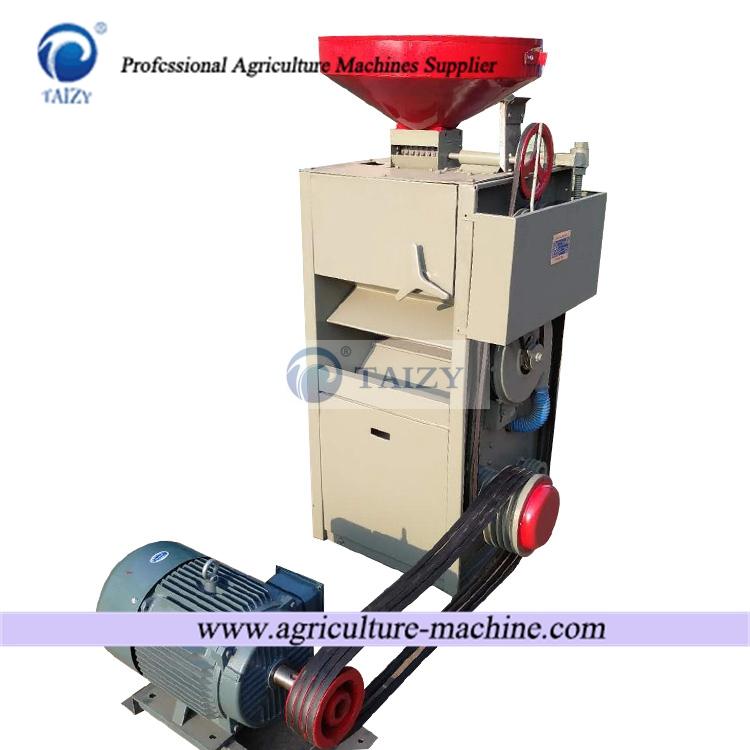
First let's understand how the old-fashioned, traditional rice milling machine works. The old-fashioned rice mill is called a rice cutter rice machine. It is not difficult to say, the working principle of the rice knife rice machine is to unpack the shell by extrusion. The biggest difference between rice and rice is the addition of a shell. The thickness of this shell determines whether the rice will come out of the knife edge.
The rice with a thickness greater than the rice knife edge will remain in the rice roller and continue to be polished, while those with a thickness less than the rice knife edge will come out from the rice knife edge. Therefore, although the principle of the rice knife rice machine is simple, it has a very big pain point, that is, when processing different types of rice, the rice head must be reopened and the clearance of the rice knife must be readjusted. This is particularly troublesome, so it is really not an easy job for those who are using the old rice mill for the first time to debug a new rice mill.
The principle of the new rice mill is to squeeze the rice through the air, hit it in the rice sieve, and then come out from the rice outlet. The adjustment of the new rice mill is essentially different from the traditional old rice machine. Only the rice outlet needs to be adjusted The pressure plate can adjust the effect of rice, in fact, the principle is to control the effect of the rice mill by controlling the length of time the rice rolls in the rice sieve.
Whether it is a traditional old-fashioned rice mill or a new type of rice mill, their core places are rice knives and rice sieves. Of course, the quality of rice sieves and rice knives, users will also pay special attention to it. , The user may be replaced once every three days.
First let's understand how the old-fashioned, traditional rice milling machine works. The old-fashioned rice mill is called a rice cutter rice machine. It is not difficult to say, the working principle of the rice knife rice machine is to unpack the shell by extrusion. The biggest difference between rice and rice is the addition of a shell. The thickness of this shell determines whether the rice will come out of the knife edge.
The rice with a thickness greater than the rice knife edge will remain in the rice roller and continue to be polished, while those with a thickness less than the rice knife edge will come out from the rice knife edge. Therefore, although the principle of the rice knife rice machine is simple, it has a very big pain point, that is, when processing different types of rice, the rice head must be reopened and the clearance of the rice knife must be readjusted. This is particularly troublesome, so it is really not an easy job for those who are using the old rice mill for the first time to debug a new rice mill.
The principle of the new rice mill is to squeeze the rice through the air, hit it in the rice sieve, and then come out from the rice outlet. The adjustment of the new rice mill is essentially different from the traditional old rice machine. Only the rice outlet needs to be adjusted The pressure plate can adjust the effect of rice, in fact, the principle is to control the effect of the rice mill by controlling the length of time the rice rolls in the rice sieve.
Whether it is a traditional old-fashioned rice mill or a new type of rice mill, their core places are rice knives and rice sieves. Of course, the quality of rice sieves and rice knives, users will also pay special attention to it. , The user may be replaced once every three days.
Thursday, April 9, 2020
Talking about the Milling Rice Mill
The milling rice mill mainly removes the bran layer by the grinding and cutting of the dense sharp sand grains on the emery roll or the mortar to the rice grains. The linear speed of the roller is relatively high, generally about 10-16 meters / second. The pressure in the whitening room is low, and the surface of the rice grains is rough, but there are few broken rice.
There are two types of vertical mortar rice mills and horizontal sand roller rice mills. The roller of the vertical mortar rice mill is a frustoconical mortar with a large top and a small bottom. The surface has no ribs and grooves and can be rotated forward or reverse. The gap between the mortar and its peripheral cone-shaped rice sieve can be adjusted by moving the mortar shaft up and down. Adjustable rubber rice knives are installed equidistantly around the whitening room to reduce the speed of the rice flow and increase the speed difference between the rice grains and the mortar. Adjust the rice knife to increase or decrease the degree of whitening.
The white rice flows out from the outlet at the bottom of the whitening room, and the rice bran is discharged through the mesh of the rice sieve. The roller of the horizontal sand roller rice mill is cylindrical, and there is a propelling screw at the inlet end. The surface of the sand roller generally has oblique, spiral or both. The cross-section of the milling groove is zigzag, V-shaped or semi-circular. The rice sieve is cylindrical, with a steel rice knife of the rectangular or semi-circular cross-section.
There are two types of vertical mortar rice mills and horizontal sand roller rice mills. The roller of the vertical mortar rice mill is a frustoconical mortar with a large top and a small bottom. The surface has no ribs and grooves and can be rotated forward or reverse. The gap between the mortar and its peripheral cone-shaped rice sieve can be adjusted by moving the mortar shaft up and down. Adjustable rubber rice knives are installed equidistantly around the whitening room to reduce the speed of the rice flow and increase the speed difference between the rice grains and the mortar. Adjust the rice knife to increase or decrease the degree of whitening.
The white rice flows out from the outlet at the bottom of the whitening room, and the rice bran is discharged through the mesh of the rice sieve. The roller of the horizontal sand roller rice mill is cylindrical, and there is a propelling screw at the inlet end. The surface of the sand roller generally has oblique, spiral or both. The cross-section of the milling groove is zigzag, V-shaped or semi-circular. The rice sieve is cylindrical, with a steel rice knife of the rectangular or semi-circular cross-section.
Complete set of equipment for small automatic rice milling machine
The 500-700KG / H type combined rice mill produces 500-700 kg of rice per hour, which is suitable for processing by individual rice factories and farmers. The equipment automatically and continuously performs processing processes such as rice cleaning, stone removal, shelling, grain separation, milling, and white rice grading.
The whole machine is beautiful in appearance, compact in structure, small in area, and has no place to hide rice. It has a high rice output rate, less broken rice, and low power consumption. When rice is fed into the machine, standard finished rice can be obtained in one process.
1. Each stand-alone combination is connected to drive, using less lifting equipment, low power, less broken rice, less area, and cheaper price than similar models.
2. The rice can be processed irrespective of how much (more than 10 kilograms of rice can be processed, the machine can store up to 0.5KG rice); the working process is short, the rice is turned on and the finishing is fast (saving time and electricity)
3. Comes with polishing, high rice finish;
4. Reasonable layout and simple operation, no need to move around during processing.
5. Due to its complete functions, this combined rice machine is already the first choice for some small rice processing households.
The whole machine is beautiful in appearance, compact in structure, small in area, and has no place to hide rice. It has a high rice output rate, less broken rice, and low power consumption. When rice is fed into the machine, standard finished rice can be obtained in one process.
1. Each stand-alone combination is connected to drive, using less lifting equipment, low power, less broken rice, less area, and cheaper price than similar models.
2. The rice can be processed irrespective of how much (more than 10 kilograms of rice can be processed, the machine can store up to 0.5KG rice); the working process is short, the rice is turned on and the finishing is fast (saving time and electricity)
3. Comes with polishing, high rice finish;
4. Reasonable layout and simple operation, no need to move around during processing.
5. Due to its complete functions, this combined rice machine is already the first choice for some small rice processing households.
Thresher quality is worrying
With the fierce competition in the corn thresher market, the quality and performance of the threshers worry about our people. Some unscrupulous thresher manufacturers arbitrarily produce unqualified and unqualified “three fives” in order to seek greater benefits, regardless of the life and death of the people "The product has made our people suffer! Please choose a regular manufacturer with a formal license for the thresher to avoid being cheated.
First, the products produced by the small workshops and small factories do not meet the standards, and there is no product license and operation certificate of the relevant government department;
Second, there are a considerable number of the township and collective small enterprises, lack of necessary inspection methods, inspection is not strict, and enterprise quality management is not formal, resulting in unqualified manufacturing quality and assembly quality of important parts;
Third, some enterprises are not familiar with the standards or are not strong in safety awareness, failing to add protective devices and warning signs in accordance with the national mandatory standards, or replacing high-strength bolts with ordinary bolts, resulting in unqualified product inspections.
Fourth, small workshops, small enterprises due to insufficient funds, the products produced do not have relative one-to-one tracking service and professional after-sales service, can not be dealt with in time when the product has problems, the economic losses brought to the people are incalculable Also affected.
Although the national supervision and random inspections have been carried out year after year, they only cover most of the formal production enterprises, and some individual producers who neither obtain production licenses nor promotion licenses nor have production equipment and inspection means blindly imitate the products of formal enterprises and cut corners. , Rough production, the product quality is the worst, because such enterprises have no formal production sites, supervision and spot checks can not be selected, but in view of the low price of their products, they still occupy a certain share in the market, so the editor reminds and warns friends, Do n’t blindly choose a thresher machine manufacturer because you want to be cheap. You must think carefully and observe in advance whether the manufacturer is a regular manufacturer or whether it has related production licenses and product licenses before you can cooperate with peace of mind.
First, the products produced by the small workshops and small factories do not meet the standards, and there is no product license and operation certificate of the relevant government department;
Second, there are a considerable number of the township and collective small enterprises, lack of necessary inspection methods, inspection is not strict, and enterprise quality management is not formal, resulting in unqualified manufacturing quality and assembly quality of important parts;
Third, some enterprises are not familiar with the standards or are not strong in safety awareness, failing to add protective devices and warning signs in accordance with the national mandatory standards, or replacing high-strength bolts with ordinary bolts, resulting in unqualified product inspections.
Fourth, small workshops, small enterprises due to insufficient funds, the products produced do not have relative one-to-one tracking service and professional after-sales service, can not be dealt with in time when the product has problems, the economic losses brought to the people are incalculable Also affected.
Although the national supervision and random inspections have been carried out year after year, they only cover most of the formal production enterprises, and some individual producers who neither obtain production licenses nor promotion licenses nor have production equipment and inspection means blindly imitate the products of formal enterprises and cut corners. , Rough production, the product quality is the worst, because such enterprises have no formal production sites, supervision and spot checks can not be selected, but in view of the low price of their products, they still occupy a certain share in the market, so the editor reminds and warns friends, Do n’t blindly choose a thresher machine manufacturer because you want to be cheap. You must think carefully and observe in advance whether the manufacturer is a regular manufacturer or whether it has related production licenses and product licenses before you can cooperate with peace of mind.
Thursday, April 2, 2020
Complete set of small automatic rice mill equipment
500-700KG / H combined rice mill machine produces 500-700 kg of rice per hour, suitable for processing by individual rice mills and farmers. The equipment automatically and continuously processes from rice cleaning, stone removal, hulling, grain separation, milling, and white rice classification.
The whole machine has a beautiful shape, compact structure, small footprint, and nowhere to hide rice. After the rice is put into the machine, standard finished rice can be obtained in one process.
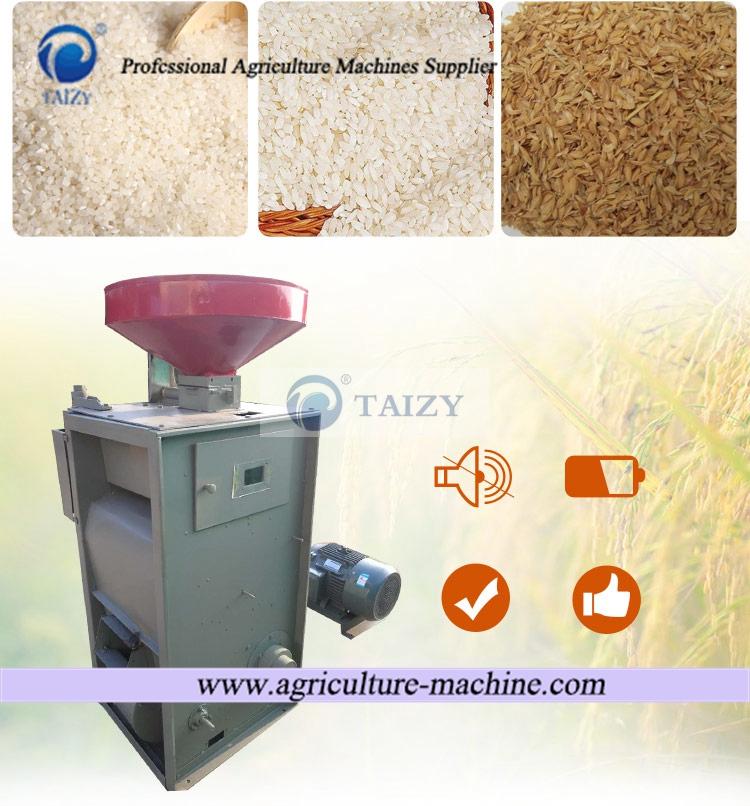
1. Every single machine is combined with the transmission, using less lifting equipment, low power, less broken rice, small floor space, and cheaper prices than similar models.
2. Rice can be processed regardless of how much rice can be processed (rice weighing more than 10 kg can be processed, and up to 0.5KG of rice can be stored in the machine); the workflow is short, the rice is turned on and the end is fast (saving time and electricity)
3, comes with polishing, rice finish is high;
4. Reasonable layout and simple operation, no need to move around during processing.
5. Due to its complete functions, this combination rice machine is already the first choice for some small rice processors.
The whole machine has a beautiful shape, compact structure, small footprint, and nowhere to hide rice. After the rice is put into the machine, standard finished rice can be obtained in one process.
1. Every single machine is combined with the transmission, using less lifting equipment, low power, less broken rice, small floor space, and cheaper prices than similar models.
2. Rice can be processed regardless of how much rice can be processed (rice weighing more than 10 kg can be processed, and up to 0.5KG of rice can be stored in the machine); the workflow is short, the rice is turned on and the end is fast (saving time and electricity)
3, comes with polishing, rice finish is high;
4. Reasonable layout and simple operation, no need to move around during processing.
5. Due to its complete functions, this combination rice machine is already the first choice for some small rice processors.
Rice mill structure
The rice mill is mainly composed of a feeding device, a white milling room, a discharging device, a transmission device, and a spray system.
The gap between the rice cutter and the roller should be moderate
The gap cannot be smaller than the transverse diameter of the rice, otherwise, the rice grains are easily broken; the gap cannot be larger than the longitudinal diameter of the rice grains, otherwise, the rice grains are rough. Therefore, the gap between rice knives should be selected between the vertical and horizontal diameters of rice grains. The practice has shown that the gap between rice knives should be a little beveled, that is, the end near the exit gate knife is slightly larger so that the milled rice is more complete.
The inlet and outlet gates must cooperate well
When the inlet guillotine is wide open and the outlet guillotine is closed, the grain in the white milling chamber increases, and its pressure increases. With less rice in the white mill, the pressure is reduced, and the milled rice is rougher.
Generally, the opening degree of the imported brake knife can be controlled at 1/2 of the entire opening degree, and it can not exceed 2/3 at most. Some old machines remove the imported brake knives and let the imports all open, generally do not do this. After opening all, there will be too much grain, too much pressure in the white milling chamber, and high resistance to rotation. If the exit gate knife is not matched for a while, the belt will slip, and the machine will even become stuck or damaged.
The exit knife should be mastered flexibly. During operation, the gap between the rice knife and the opening of the imported knife can be adjusted according to regulations, and then they can be fixed. The operator only needs to operate the exit gate with his right hand, and stretch out the palm of his left hand to connect the rice grains at the bottom of the exit to see if the rice grains are whole and the beige color is white. If there is a lot of broken rice, you can open the large exit gate knife; if the rice grains are rough, you can close the small exit gate knife. Both should be considered until the quality of the rice mill reaches the requirements
Website:https://www.agriculture-machine.com/rice-mill/
E-mail:allenshuliyguo@gmail.com
The gap between the rice cutter and the roller should be moderate
The gap cannot be smaller than the transverse diameter of the rice, otherwise, the rice grains are easily broken; the gap cannot be larger than the longitudinal diameter of the rice grains, otherwise, the rice grains are rough. Therefore, the gap between rice knives should be selected between the vertical and horizontal diameters of rice grains. The practice has shown that the gap between rice knives should be a little beveled, that is, the end near the exit gate knife is slightly larger so that the milled rice is more complete.
The inlet and outlet gates must cooperate well
When the inlet guillotine is wide open and the outlet guillotine is closed, the grain in the white milling chamber increases, and its pressure increases. With less rice in the white mill, the pressure is reduced, and the milled rice is rougher.
Generally, the opening degree of the imported brake knife can be controlled at 1/2 of the entire opening degree, and it can not exceed 2/3 at most. Some old machines remove the imported brake knives and let the imports all open, generally do not do this. After opening all, there will be too much grain, too much pressure in the white milling chamber, and high resistance to rotation. If the exit gate knife is not matched for a while, the belt will slip, and the machine will even become stuck or damaged.
The exit knife should be mastered flexibly. During operation, the gap between the rice knife and the opening of the imported knife can be adjusted according to regulations, and then they can be fixed. The operator only needs to operate the exit gate with his right hand, and stretch out the palm of his left hand to connect the rice grains at the bottom of the exit to see if the rice grains are whole and the beige color is white. If there is a lot of broken rice, you can open the large exit gate knife; if the rice grains are rough, you can close the small exit gate knife. Both should be considered until the quality of the rice mill reaches the requirements
Website:https://www.agriculture-machine.com/rice-mill/
E-mail:allenshuliyguo@gmail.com
Composition and main function of feeding device of rice mill
Rice mill is a machine that peels and polishes brown rice by using mechanical force. Physical or chemical methods must be used to partially or completely peel off the skin layer on the surface of brown rice in order to make it have good edible quality and increase food value.
Our company produces a variety of rice mills to provide users with the service of installation and commissioning as a whole. So which three parts of the rice mill's feeding device are made up of, what is the role of each part? Today, I will introduce it.
1. Feed hopper: The main function is to buffer and store materials to ensure continuous and normal production.
2. Flow regulating mechanism: one is the shutter adjusting mechanism, which uses the size of the opening of the shutter to adjust the amount of incoming flow; the other is an adjusting mechanism composed of a full opening and closing shutter and a small amount of adjustment.
3. Screw conveyor: The main function is to push materials from the feed port into the white mill room.
The above is the composition and main function of the rice mill feeding device. While pursuing product quality, our company is constantly improving the service system and looks forward to cooperating with you.
website: https://www.agriculture-machine.com/rice-mill/
Email:allenshuliyguo@gmail.com
Our company produces a variety of rice mills to provide users with the service of installation and commissioning as a whole. So which three parts of the rice mill's feeding device are made up of, what is the role of each part? Today, I will introduce it.
1. Feed hopper: The main function is to buffer and store materials to ensure continuous and normal production.
2. Flow regulating mechanism: one is the shutter adjusting mechanism, which uses the size of the opening of the shutter to adjust the amount of incoming flow; the other is an adjusting mechanism composed of a full opening and closing shutter and a small amount of adjustment.
3. Screw conveyor: The main function is to push materials from the feed port into the white mill room.
The above is the composition and main function of the rice mill feeding device. While pursuing product quality, our company is constantly improving the service system and looks forward to cooperating with you.
website: https://www.agriculture-machine.com/rice-mill/
Email:allenshuliyguo@gmail.com
Advantages and disadvantages Horizontal Milling Machine
Horizontal Milling Machine advantages
1. Smooth running. Radial force bearing only a small unbalanced force generated by the torque bearing and mechanical stress. White less demanding grinding rollers mounted horizontally manufacturing, assembly; corresponding structural components of the general technical requirements;
2. The volume and weight of the unit output are small. Due to the axial urging force is large, the flow rate larger grain, and at the same vertical rice mill material flow into the machine, the roll diameter and milled white area of the annular chamber are small, smaller machine size and weight lighter, lower binding manufacturing technology requirements, less cost;
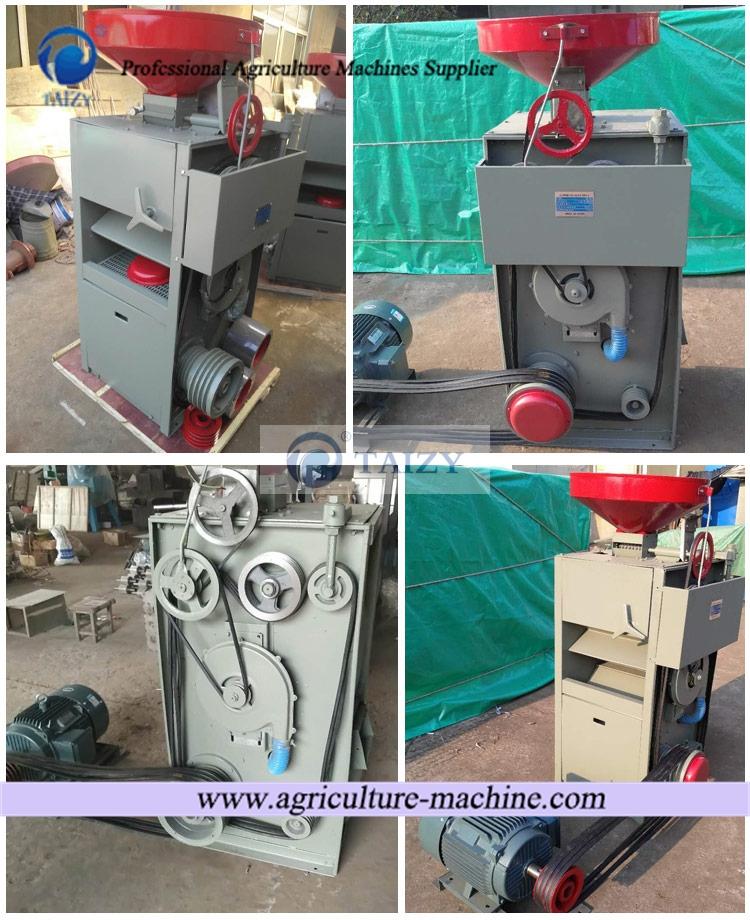
3. It is convenient to disassemble the sand roller in the horizontal direction of the rice mill, saving time and effort;
4. The rice production rate is high, and the spiral groove makes the density of the rice grain fluid uniform over the entire length of the white milling chamber, the rolling motion is good, and the parts on the rice grain are evenly milled;
5. It is convenient and reasonable to combine the two white rollers coaxially or in different axes in a rice mill.
Horizontal Milling Machine shortcomings
1. Gravity affects the centrifugal acceleration of rice grains, which causes a difference between the upper and lower parts of the whitening room, and affects the uniformity of the whitening degree;
2. The number of rice knives is small, the material is hard, and some are not easy to adjust. For example, the fixed rice knives in the middle and lower parts need to be stopped and adjusted. Although the steel rice knives are wear-resistant, they are easy to damage the rice grains and increase the rice breaking rate.
3. Bran easily accumulates in the upper part of the whitening room;
4. Spiral grooves need to be manually repaired after being worn. The quality of the repair varies from person to person. The grinding rollers are assembled in $ 35 sections. After abrasion, they cannot be interchanged or partially exchanged. The maintenance cost is high.
Website:https://www.agriculture-machine.com/rice-mill/
Email:allenshuliyguo@gmail.com
1. Smooth running. Radial force bearing only a small unbalanced force generated by the torque bearing and mechanical stress. White less demanding grinding rollers mounted horizontally manufacturing, assembly; corresponding structural components of the general technical requirements;
2. The volume and weight of the unit output are small. Due to the axial urging force is large, the flow rate larger grain, and at the same vertical rice mill material flow into the machine, the roll diameter and milled white area of the annular chamber are small, smaller machine size and weight lighter, lower binding manufacturing technology requirements, less cost;
3. It is convenient to disassemble the sand roller in the horizontal direction of the rice mill, saving time and effort;
4. The rice production rate is high, and the spiral groove makes the density of the rice grain fluid uniform over the entire length of the white milling chamber, the rolling motion is good, and the parts on the rice grain are evenly milled;
5. It is convenient and reasonable to combine the two white rollers coaxially or in different axes in a rice mill.
Horizontal Milling Machine shortcomings
1. Gravity affects the centrifugal acceleration of rice grains, which causes a difference between the upper and lower parts of the whitening room, and affects the uniformity of the whitening degree;
2. The number of rice knives is small, the material is hard, and some are not easy to adjust. For example, the fixed rice knives in the middle and lower parts need to be stopped and adjusted. Although the steel rice knives are wear-resistant, they are easy to damage the rice grains and increase the rice breaking rate.
3. Bran easily accumulates in the upper part of the whitening room;
4. Spiral grooves need to be manually repaired after being worn. The quality of the repair varies from person to person. The grinding rollers are assembled in $ 35 sections. After abrasion, they cannot be interchanged or partially exchanged. The maintenance cost is high.
Website:https://www.agriculture-machine.com/rice-mill/
Email:allenshuliyguo@gmail.com
Subscribe to:
Posts (Atom)
-
The rice thresher generally includes the following main parts: a threshing device, a separating device, a drain cleaning device, a transmis...
-
In order to reduce the labor intensity and improve the work efficiency of farmers during corn threshing, corn thresher manufacturers design ...
-
 There are two ways to mill rice: chemical and mechanical. The chemical method also includes solvent extraction and rice milling and enzymat...